


What is EXOS?
EXOS is an Exit Operating System for life after exit. During the years of building a company decisions are made within a defined context shaped by cadence accountability and interconnected priorities. After exit that context disappears but the decisions do not become any less consequential.
EXOS replaces that context with a more deliberate one. At its core is the Pathfinder Playbook a structured approach that combines lived founder experience with institutional research to map the full landscape of the transition surface what matters most and bring coherence to decisions that would otherwise remain fragmented. It provides a framework for pre and post exit entrepreneurs to sequence decisions across identity structure capital and support and bring clarity to what comes next.
Structure before optionality

Sequence before acceleration
Clarity before capital

How It Works The EXOS Process
The Process:
Recognition

Normalisation

Authority

Solution

Action
Exit removes the operating system that once made your decisions coherent. The board meeting. The team. The quarterly cadence. The integrated framework that connected urgency, identity, capital, and accountability: gone. Most entrepreneurs replace none of it. The cost compounds quietly, for years, before it becomes visible.
Step One: EXOS Discovery
Discovery begins with the EXOS Discovery Questionnaire, a cross-pillar assessment covering emotional wellbeing, identity readiness, decision-making patterns, financial orientation, relationship dynamics, and behavioural vulnerabilities across all five domains.

Step Two: Pathfinder Playbook
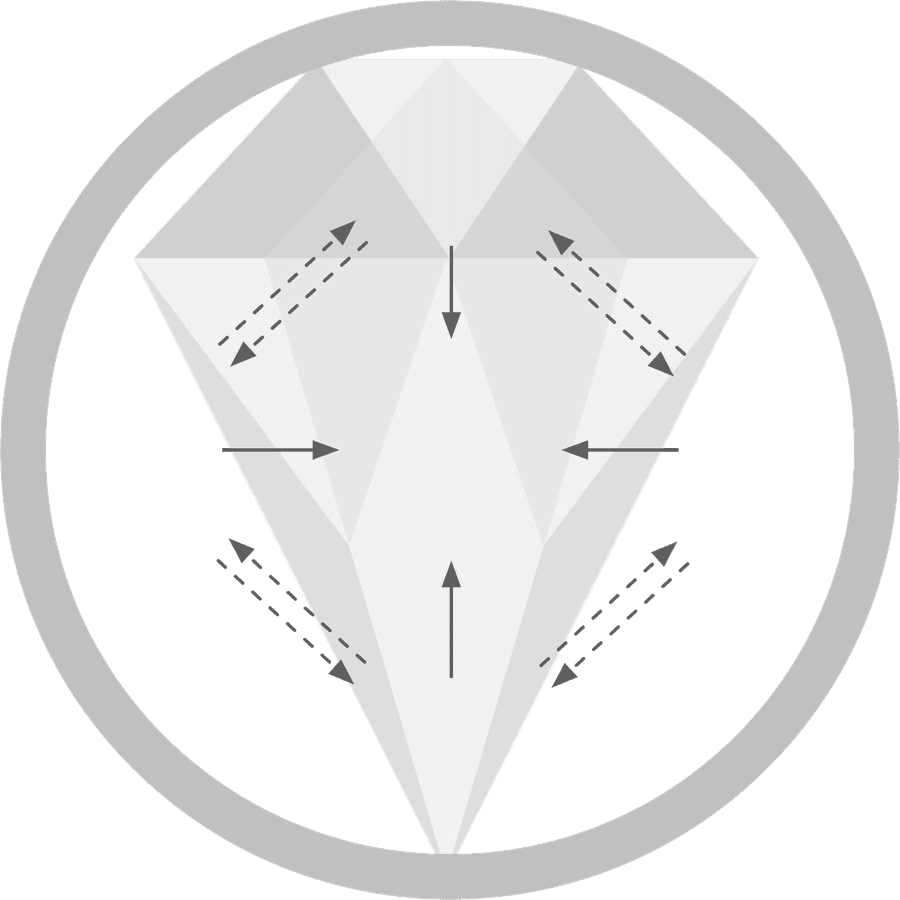
This is where we introduce you to the Pathfinder Playbook — the strategic framework that sits at the heart of the EXOS system. The Playbook maps the five interconnected pillars that shape a entrepreneur's transition: Structure and Purpose, Financial, Mentorship, Identity, and Community. At the centre is the Evolving Entrepreneur — a recognition that transition is not a single event but an ongoing process of growth and recalibration.
Mentor
3. Developmental focus — Reintroducing constructive challenge and lived perspective from those who have navigated this transition
Identity
4. Support for mental health, help with processing identity, legacy, loss, and emotional weight.
Evolving entrepreneur
Financial
2. Wealth preservation, capital strategy, and alignment between financial decisions and personal direction
Structure & Purpose
1. Rebuilding the operational framework for daily life, decision-making, values, and purpose
Community
Community
The Core Insight: Five Interwoven Pillars
Exit destabilizes five operating domains simultaneously. They are intertwined and dependent on each other. A therapist, a financial advisor, a coach, a peer network each addresses one domain. None addresses the way they compound on and distort each other. EXOS integrates and sequences across all five.
When One Pillar Shifts, the Others Distort
Without structured guidance, risk appetite changes silently.
Without Structure, optionality becomes reactivity
Without Mentor perspective, blind spots compound
Without Community, advisors carry disproportionate influence
Without Financial discipline, capital fragments
The Pathfinder Playbook process in each pillar
1
Learning Briefs
Distilled knowledge drawn from research and the hard-won experience of entrepreneurs who have navigated this exact kind of challenge. This is not a theory. It is insight earned by people who got it wrong and understood what it cost them. Every component builds on the last, creating clarity through structure.
2
Pillar Questionnaires
A structured reflection built on the Learning Briefs where context comes first. This results in a richer insight and more candid response. This surfaces one to two priority constraints that are most distorting decision quality.
3
Pillar Briefs
Personalised, advisory-ready documents synthesising your position, themes, and priority actions across all five pillars shareable with every specialist advisor from day one, so they enter from the same position of understanding.
4
Golden Thread Mapping
The unifying themes connecting identity, capital, and direction into a coherent thesis for what comes next. This determines what must stabilise before major financial or directional moves are made.

The Pathfinder Playbook process in each pillar
1
Learning Briefs
Distilled knowledge drawn from research and the hard-won experience of entrepreneurs who have navigated this exact kind of challenge. This is not a theory. It is insight earned by people who got it wrong and understood what it cost them. Every component builds on the last, creating clarity through structure.
2
Pillar Questionnaires
A structured reflection built on the Learning Briefs where context comes first. This results in a richer insight and more candid response. This surfaces one to two priority constraints that are most distorting decision quality.
3
Pillar Briefs
Personalised, advisory-ready documents synthesising your position, themes, and priority actions across all five pillars shareable with every specialist advisor from day one, so they enter from the same position of understanding.
4
Golden Thread Mapping
The unifying themes connecting identity, capital, and direction into a coherent thesis for what comes next. This determines what must stabilise before major financial or directional moves are made.
Step Three: Transition Plan
An integrated plan across all five pillars containing sequenced objectives, engagement briefs, timelines, and governance milestones and reviewed monthly.
The Transition Plan contains:

A personalised, integrated plan built across all five pillars, grounded in the Discovery diagnostic and shaped by the Pathfinder Playbook.
Includes: clear objectives, engagement briefs for each support area, sequenced goals, timelines, progress markers, and governance milestones.
Shareable with chosen specialist service providers, ensuring every advisor enters from the same position of alignment.
Optional matching with mentors, coaches, counsellors, and financial advisors who understand entrepreneur psychology and post-exit dynamics.
Reviewed and adapted monthly. This plan is a living document, never static, always reflecting where the transition actually is.
The Transition Plan answers three essential questions:
What is next?
What is not yet?
What must stabilise first?


Step Four: Scorecard & Navigational Support
This forms the accountability architecture. It is not a performance review. It is a navigational instrument. This is where EXOS operates as your accountability partner, not a sounding board you check in with, but an active governance structure that holds the full picture, asks the honest question each month, and ensures that what needs to move actually moves.
1–2 priority unlocks per 30-day cycle
Monthly governance review of what moved, what stalled, what changes
Progress tracking against the Transition Plan
Course correction before distortion compounds

How We Work Together
The EXOS methodology is constant. How it is delivered adapts to you.

Virtual
The full engagement, from Discovery through to a completed Transition Plan and Scorecard, delivered one-on-one online across a four to six week cycle, with ongoing advisory support beyond.

In-person immersion
A two-day engagement in a private setting that accelerates Discovery and the opening phases of the Pathfinder Playbook. Remaining sessions and ongoing support are delivered virtually.

Hybrid
In-person and virtual sessions combined across the engagement, with face-to-face meetings at key inflection points in the transition.
The right format depends on your situation, your geography, and your pace. That conversation begins in the Discovery Meeting.